Hedge Trimming Earls Court — Recycling & Sustainability Promise
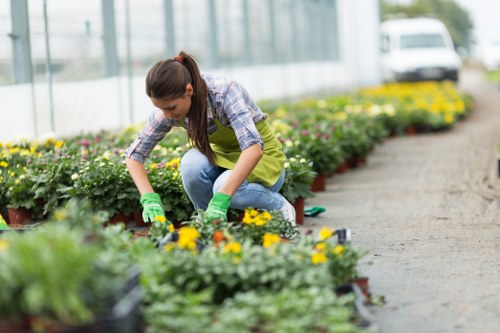 At Hedge Trimming Earls Court we make sustainability central to every job. Our local hedge maintenance and green waste services are designed to reduce landfill, support community re-use and fit with the boroughs' approach to waste separation. We aim to be more than a trimming contractor: we're a partner in creating a low-impact, circular approach to gardens and verges in Earls Court and nearby streets. Every cut, rake and clear has a recycling route.
We work closely with local authorities and follow the Royal Borough approach to waste separation, encouraging separation of organic garden waste, recyclable plastics and timber, and inert materials. That means green waste is kept apart from paper, glass and mixed recycling so it can be composted or processed, while clean timber and stone are diverted to reuse streams whenever possible. Our teams are trained in kerbside-style sorting to match borough guidance and maximise recovery rates.
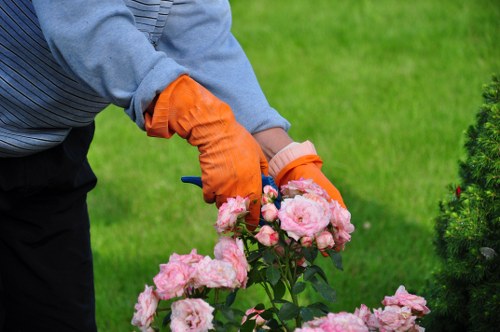 Sustainability for Earls Court hedge services includes an ambitious recycling percentage target. Our company target is to recycle or divert at least 80% of all materials from hedge trimming and garden clearance by the end of 2027. This target covers green arisings, timber, brash, pots and any incidental materials removed during maintenance. We monitor and report progress quarterly, using weights and transfer notes to ensure transparency.
To make those targets real we use nearby transfer stations and recycling hubs for efficient processing. We routinely deliver green waste and reusable timber to local transfer stations such as Smugglers Way Transfer Station and the Park Royal recycling hub, ensuring materials go to appropriate municipal or commercial processing facilities rather than landfill. Using these transfer stations reduces haulage time, cuts emissions and helps keep Earls Court green waste within London’s established circular infrastructure.
Partnerships with charities and community groups are central to our reuse strategy. We donate intact soil, potted specimens and reclaimed timber to community gardens, allotment groups and local charities such as Groundwork London and neighbourhood green projects. These collaborations turn what might be waste into resources for schools, food-growing projects and public planting schemes across the borough.
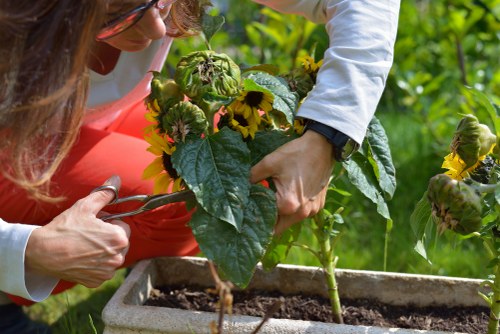 We also work with reuse organisations to redirect materials where possible. Items that cannot be composted but have reuse value — such as sturdy timber for raised beds or non-treated planters — are offered to community projects or social enterprises before any disposal. This reduces costs for local schemes and extends the life of materials removed during hedge maintenance in Earls Court.
Our operational changes include a modern fleet of low-emission vehicles. We are rolling out electric vans and low-carbon hybrid vehicles for short urban runs, supported by route-optimisation software to minimise mileage. By reducing idling and combining multiple small jobs into efficient collections we cut both CO2 and NOx emissions in residential Earls Court. Low-carbon vans and smart scheduling are practical ways we shrink our environmental footprint.
The company also invests in low-impact handling: hand-chipping where appropriate, using battery-powered chippers and avoiding diesel-powered blowers except where strictly necessary. These choices lower noise and air pollution for local residents and are part of our pledge to promote cleaner, quieter hedge trimming services in the Earls Court area.
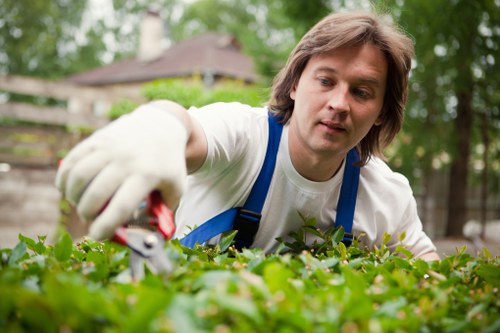 Our on-the-ground recycling practices include a clear separation workflow that crews follow on every job. Tools and bins are labelled, and crews sort into compartments for:
- Green/organic waste for composting or anaerobic digestion;
- Recyclables such as plastic plant pots, metal stakes and glass;
- Re-useable timber offered to community partners;
- Residuals disposed via authorised transfer stations.
 We actively educate clients about the boroughs' waste separation expectations and provide clear, simple advice at booking and on invoices: label compostable material, keep recyclables clean and dry, and identify items that could be passed on to charities. That small bit of preparation by residents significantly increases the proportion of material we can divert from landfill during garden clearance or routine hedge trimming.
Beyond immediate waste handling we support longer-term sustainability by promoting native planting and biodiversity-friendly pruning practices. Less frequent formative pruning, leaving sections of brash for invertebrate habitat and returning chipped wood to borders as mulch are all techniques we recommend. These approaches reduce the amount of material removed and increase ecological benefits for Earls Court gardens.
Benefits & Commitments
What residents can expect
Reduced landfill, increased community benefit and a lower carbon service are the outcomes we prioritise. Our commitments include regular reporting on recycling percentages, ongoing shifts to electric vehicles, and strengthened ties with transfer stations and charities. We aim to be the benchmark for sustainable hedge work in Earls Court and surrounding boroughs.Quick Practices We Follow
- Segregation on-site to mirror borough waste streams;
- Use of local transfer stations to speed processing and reduce haulage emissions;
- Charity partnerships for reuse of plants and materials;
- Low-carbon fleet for cleaner collections;
- Community engagement to support local growing projects.
By combining operational change, local partnerships and a clear recycling target — an 80% diversion goal — our Earls Court hedge trimming service aims to be both practical and progressive. Whether you need routine maintenance or a one-off clearance, our sustainability-first approach ensures your garden waste supports the local circular economy, not a landfill.