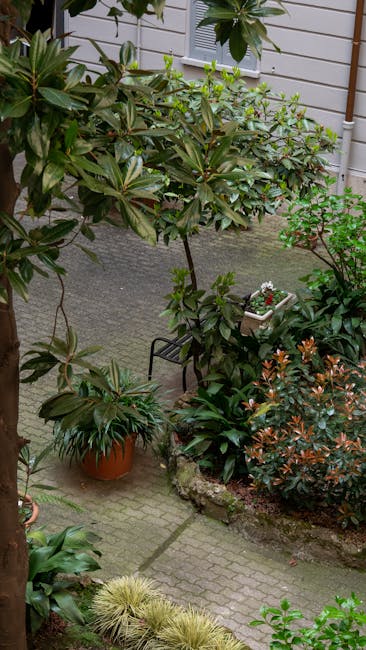
Small courtyard garden solutions gardeners for Earls Court studios

Living in an Earls Court studio often means making every square metre work harder than you'd like. One week it's a place to dry washing, the next it's a tiny outdoor escape, and in between it can feel like a storage corner that never quite gets sorted. That's exactly where Small courtyard garden solutions gardeners for Earls Court studios come in: practical, space-savvy ideas that turn a compact courtyard into somewhere calm, green, and genuinely useful.
This guide looks at how to plan, build, and maintain a courtyard that suits studio living in London. We'll cover layout ideas, planting choices, privacy, drainage, maintenance, and a few real-world trade-offs that often get missed. If you want a courtyard that feels bigger than it is, without turning it into a high-maintenance project, you're in the right place.
Why Small courtyard garden solutions gardeners for Earls Court studios Matters
Earls Court studios tend to have one thing in common: limited space, and not much of it. A courtyard may be the only outdoor area available, so if it's underused, the flat feels smaller than it needs to. That's the real reason small courtyard garden solutions matter. They help you make a modest outdoor area feel intentional, useful, and visually calm rather than cramped.
There's also a local angle. London courtyards often sit between brick walls, fences, basement lightwells, and neighbouring buildings. That means shade, wind tunnels, overlooked views, and awkward access are all part of the brief. You're not just gardening; you're problem-solving. A good design works with those conditions instead of fighting them. Truth be told, that's where the best results usually come from.
For studio residents, the courtyard often has to do several jobs at once. It may need to:
- provide privacy from nearby windows
- bring in greenery without cluttering the space
- stay tidy with minimal upkeep
- allow space for a chair, a coffee table, or a plant trolley
- drain properly after heavy rain
Miss one of those and the whole space can feel awkward. Get them right and even a very small yard can become a proper extension of the home. Not a showpiece garden, necessarily. Something better in day-to-day life: usable.
How Small courtyard garden solutions gardeners for Earls Court studios Works
At the simplest level, small courtyard gardening works by dividing the space into clear roles and reducing visual noise. Instead of filling every corner, you choose a few features that give the courtyard structure: a path, a seating nook, a planting scheme, perhaps a vertical screen, and maybe one or two focal points.
The key is scale. In a small studio courtyard, oversized features can overwhelm the space. A large planter can block movement. A dense hedge can make the area feel boxed in. But the right combination of low-profile materials, layered planting, and vertical greenery can make the same space look larger and more polished.
In practice, gardeners working on these spaces often start with a short site assessment:
- Measure the courtyard and note doors, drains, and access points.
- Check light conditions at different times of day.
- Look for damp spots, shaded corners, and exposed windy areas.
- Decide what matters most: privacy, style, low maintenance, or social use.
- Choose materials and planting that suit the conditions rather than forcing a trend into the space.
That process sounds obvious, but many small gardens go wrong because people choose finishes first and function second. A glossy tile or a statement tree might look great in a brochure. In a cramped Earls Court courtyard, it may just become a nuisance.
One useful way to think about it: a compact courtyard is less like a traditional garden and more like a room with living materials. Once you treat it that way, the planning gets easier.
Key Benefits and Practical Advantages
Well-designed courtyard solutions are not just about appearance. They can improve how the space feels, how often you use it, and how much work it creates. That balance matters a lot in studio living, where space is always at a premium.
1. Better use of limited space
Smart layout means you can fit in more without the area feeling crowded. Raised planters, wall climbers, and slim seating can create function without stealing floor area.
2. More privacy
In London, overlooking is a common issue. Strategic planting, trellis panels, and staggered screening can soften sightlines without turning the courtyard into a bunker. Nobody wants that gloomy, shut-in feel. Let's face it, you still want daylight.
3. Lower maintenance
A compact space can be easier to keep tidy than a larger garden, but only if the design is simple. Fewer plant species, better drainage, and sensible surfaces reduce weekly chores.
4. Improved wellbeing
Even a tiny green space can make a studio feel less boxed in. A place to sit with a cup of tea in the morning, or just open the door and breathe, can change how the flat feels.
5. Better property presentation
Courtyards are often visible from living areas and can influence the overall impression of the home. A neat, well-planted outdoor area makes the whole property feel more cared for.
6. More adaptable design
Good small-space landscaping is flexible. You can add container planting, change focal plants seasonally, or swap furniture without ripping out the whole scheme. That adaptability is very handy in rental or leasehold settings.
Who This Is For and When It Makes Sense
This kind of work suits anyone in an Earls Court studio with a compact outdoor area that feels hard to use. That might be a basement courtyard, a narrow side return, or a tiny paved enclosure that needs a softer, greener look.
It makes particular sense if you're dealing with one or more of the following:
- very limited floor space
- little direct sunlight
- privacy concerns from nearby windows
- poor drainage or puddling after rain
- a space that feels blank, cold, or neglected
- rental restrictions that make permanent changes difficult
It also suits people who want their outdoor area to be low effort. If you travel often, work long hours, or simply don't want to spend weekends deadheading and sweeping, the right garden setup can make life easier rather than busier.
There are times when a lighter-touch approach is best. For example, if you're likely to move within a year, a container-led solution may be smarter than a full redesign. On the other hand, if you own the studio and plan to stay, investing in better drainage, durable surfaces, and permanent screening can pay off in everyday comfort. Different answers, same courtyard.
Step-by-Step Guidance
There's no single perfect formula, but there is a sensible order. Follow the space, not the trend. That's the trick.
1. Start with the function
Ask what the courtyard must do first. Do you need privacy? A sitting area? A place for herbs? Somewhere to hide bins or utility items? A small garden that tries to do everything usually ends up doing nothing well.
2. Clear the space properly
Before adding anything new, remove the clutter, broken pots, dead plants, or leftover materials that are making the space feel smaller. If the courtyard has years of buildup, a proper tidy-up or garden clearance can be the difference between a fresh start and just rearranging the mess.
3. Assess light, damp, and access
Take note of which areas get morning sun, afternoon shade, or little light at all. In shaded London courtyards, ferns, hellebores, ivy, sarcococca, and other shade-tolerant planting can perform far better than sun-loving plants that struggle and sulk. A plant that looks great in the garden centre may be the wrong choice here.
4. Build a simple structure
In a tight space, structure matters more than ornament. Use one or two strong materials and keep the palette restrained. Timber, brick, rendered walls, gravel, or porcelain paving can all work, but mixing too many finishes can make the area feel busy. Sometimes less really is more.
5. Add vertical layers
When floor space is limited, grow upward. Trellis, wall planters, climbers, and tiered containers help bring depth without swallowing the courtyard. This is also where privacy screening can be introduced softly rather than as a hard barrier.
6. Choose planting that earns its place
In a small courtyard, every plant should justify itself. Pick species that suit the light, won't outgrow the space too quickly, and can cope with container life if needed. A few strong plants are usually better than dozens of small ones.
7. Plan drainage and maintenance access
Drainage is easily overlooked, especially on paved courtyards. Standing water can lead to slippery patches, staining, moss, and general frustration. Make sure you can still reach drains, wall edges, and corners for routine cleaning and seasonal checks.
8. Finish with details that make it feel lived-in
Lighting, one comfortable seat, a watering can, a narrow shelf, or a small cluster of pots can bring the whole design together. The best spaces feel settled, not staged.
Expert Tips for Better Results
If you want the courtyard to feel polished rather than merely tidy, a few small decisions make a surprisingly big difference.
Use repetition, but sparingly. Repeating one planter style, one material, or one planting colour creates calm. Too much variety in a tiny space makes it look busy. You can still have character, just not chaos.
Keep the ground plane quiet. In small courtyards, the floor often dominates the view. Neutral paving, gravel, or decking with good detailing lets the planting do the talking. If the ground pattern is too loud, the whole area can feel tighter.
Go for containers with purpose. Planters should either create height, screen a view, or frame a seat. If they don't do one of those jobs, they may be taking up precious room for no reason at all.
Think about winter as well as summer. A courtyard that looks lovely in June but bleak in January is only half-designed. Evergreens, bark texture, structural grasses, or a small evergreen climber can keep the space feeling alive when the weather turns.
Use scent where people pause. Put fragrant plants near the door or seating area. That way, the smell carries when you pass through. Rosemary, jasmine, lavender, and herbs can all work in the right conditions. Tiny space, big sensory payoff.
Keep a maintenance rhythm. A five-minute weekly tidy is easier than a three-hour rescue mission later. Deadhead, sweep, check pots, and look for watering needs before they become obvious problems.
And honestly, don't cram the space just because you can. That's one of those temptations that sneaks up on people. You think one more pot will help. It rarely does.
Common Mistakes to Avoid
Small courtyard projects often go wrong in predictable ways. The good news is that most of them are easy to avoid once you know what to look for.
Overfilling the space
The biggest mistake is trying to do too much. Too many pots, too many colours, too many features. The eye has nowhere to rest, and the courtyard ends up feeling cramped.
Ignoring drainage
Water pooling in a small space can cause slippery surfaces, algae, and damaged planting. It's not glamorous, but drainage is one of the foundations of a good courtyard.
Choosing the wrong plants
Plants that need full sun, deep borders, or plenty of room will struggle. In an Earls Court studio courtyard, compact and adaptable planting usually wins.
Using oversized furniture
A chunky outdoor set may look inviting in a showroom. In a narrow courtyard, it can block movement and make the whole area awkward. Slimline seating often works better.
Forgetting privacy from above
Many people focus on walls and forget nearby upper windows. It's a very London problem. A layered screen can help, but it should still allow light and air through.
Making the garden hard to maintain
If watering a plant means squeezing behind a bike, moving a heavy pot, or stepping over awkward edges every time, you probably won't keep it up for long.
Not planning for access
Some courtyards have awkward routes, which matters when bringing in materials or removing waste. If access is tight, design around it from the start, not after the delivery van has left and everyone's sighing.
Tools, Resources and Recommendations
The right tools and materials make courtyard work smoother and safer. You don't need a shed full of specialist kit, but you do need the basics done well.
- Measuring tape: essential for checking widths, sightlines, and planter sizes
- Hand trowel and secateurs: for planting, pruning, and routine upkeep
- Quality compost and mulch: especially useful for container planting
- Watering can or compact hose system: useful where access is tight
- Level and drainage-friendly materials: important for paving or decking layouts
- Gloves and a brush: simple, but surprisingly useful in small spaces
For many Earls Court courtyards, a practical mix of planting and hard landscaping works best. If the ground surface needs upgrading, services like landscaping or decking services may be part of the solution, especially where the aim is to create a more usable sitting area or improve the feel underfoot.
If the planting is the main focus, regular garden maintenance helps keep the space looking deliberate rather than overgrown. And if you want to stay on top of structure, trimming and shaping can be just as important as new planting. That's where hedge trimming becomes relevant, even in a courtyard-sized space.
When sustainability matters, it's worth thinking about reuse, composting, and water efficiency from the beginning. The site's recycling and sustainability approach can also be useful if you're planning a garden refresh that creates waste or involves old materials being removed.
Law, Compliance, Standards, or Best Practice
Courtyard garden work in London is often straightforward, but a little care around rules and responsibilities goes a long way. In shared buildings, leaseholds, or rented properties, you may need permission before making permanent changes. That can include altering hard surfaces, adding fixed screening, or changing anything that affects shared access or drainage.
It is also sensible to think about safety and access. Surfaces should be stable and suitable for walking on, especially in wet weather. Edges, steps, and transitions between materials should be clear enough to reduce trip risks. If you are introducing lighting or electrical features, those should be installed by a competent professional. No heroic DIY stories required.
For buildings with communal arrangements, check whether management rules or resident agreements affect what can be installed. In some cases, even planting depth or screen height can matter if it affects sightlines or shared services. It's boring admin, yes, but it saves hassle later.
From a best-practice point of view, garden work should also be planned with safe waste handling and tidy site management in mind. If pruning, clearance, or structural work is needed, it is wise to use proper protective equipment and keep the area secure while work is under way. If you are commissioning a contractor, ask about insurance and safety procedures rather than assuming everything is covered. That question is never out of place.
For projects involving heavier changes, such as significant clearance or reorganising an overgrown courtyard, it can help to review practical guidance on local garden rules and site preparation. If you want to understand how restrictions can affect outdoor work in the area, see permits and council rules for Earls Court garden clearance.
Options, Methods, or Comparison Table
There are a few common ways to approach a small courtyard. The best one depends on how you use the space and how much change you want to make. Here's a simple comparison to help.
| Approach | Best for | Strengths | Trade-offs |
|---|---|---|---|
| Container-led design | Renters, flexible layouts, easy updates | Portable, lower commitment, simple to refresh | Needs regular watering and can look cluttered if overused |
| Hard-landscaped courtyard | Long-term use, seating, cleaner finish | Durable, neat, easier to define zones | Can feel stark if planting is too sparse |
| Vertical planting scheme | Very small or narrow courtyards | Saves floor space, adds privacy and depth | Needs careful support and maintenance access |
| Low-maintenance mixed solution | Busy residents who want balance | Combines structure with greenery, practical day to day | Requires thoughtful planning so it doesn't become muddled |
In many Earls Court studios, a mixed solution is the sweet spot. A little structure, a little planting, not too much fuss. You get the calm of a designed space without locking yourself into something awkward or high maintenance.
Case Study or Real-World Example
Imagine a basement studio courtyard off a narrow London mews-style access point. The space is small, shaded for much of the day, and currently feels like a concrete leftover. There's a drain in one corner, two awkward wall returns, and just enough room for a chair if you move a planter out of the way. Not exactly inspiring at first glance.
A practical redesign might start by clearing the area and keeping the surface simple. Instead of covering every inch, the layout could include:
- a slim seating bench against the wall
- two taller planters to create soft screening
- one lower planter with shade-tolerant texture plants
- a trellis panel for climbing greenery
- subtle wall-mounted lighting for evening use
The result is not a grand garden. It's better than that in its own way. The courtyard feels finished, the view from inside the studio becomes softer, and the space can actually be used for a quiet drink, a book, or a small pot of herbs. There is room to breathe. That matters.
One thing that often surprises people is how much difference the right planting makes in a shady courtyard. A good shade scheme does not need to be boring. It just needs texture, movement, and a few evergreen anchors so the space has shape even in winter. A tiny garden can still feel generous. Funny how that works.
If the courtyard also needs a broader refresh around boundaries, access, or overgrown edges, wider garden work may be needed too. In that case, some owners combine planting with broader landscape gardening to bring the whole outdoor area into one coherent design.
Practical Checklist
Use this before you commit to a design or book any work. It keeps the project grounded.
- Have you measured the space accurately?
- Do you know how much sun and shade the courtyard gets?
- Is drainage working properly, or are there puddles after rain?
- Have you decided what the courtyard must do first?
- Will the design still work if you move furniture, clean, or water plants?
- Are you choosing plants that suit the light conditions?
- Have you kept enough open floor space to move comfortably?
- Is privacy from neighbouring windows part of the plan?
- Are fixed changes allowed if the property is rented or leasehold?
- Do you have a clear maintenance plan, even a simple one?
- Have you thought about how the courtyard will look in winter?
- Does the design feel calm rather than crowded?
If you can answer yes to most of those, you're already in good shape. If not, pause and refine the plan before adding more materials or plants. That little bit of restraint can save a lot of regret later.
Get a free quote today and see how much you can save.
Conclusion
Small courtyard garden solutions gardeners for Earls Court studios are really about making a tight outdoor space work beautifully in real life. Not just looking good on day one, but staying practical through rain, shade, busy weeks, and the ordinary realities of London living. When the design is scaled properly, the planting is chosen for the conditions, and the layout is kept simple, even the smallest courtyard can become one of the nicest parts of the home.
If you're planning a courtyard refresh, start with function, then add atmosphere. That order matters more than people think. And if you get it right, the result is more than a garden. It's a little pocket of calm right outside the door, which is no small thing in a studio flat. A proper win, really.
Frequently Asked Questions
What are the best small courtyard garden solutions for an Earls Court studio?
The best solutions usually combine compact planting, vertical screening, simple surfaces, and one or two usable features such as seating or herbs. The right mix depends on light, drainage, and how much privacy you need.
How do I make a tiny courtyard look bigger?
Keep the floor plan simple, use fewer materials, and rely on vertical layers rather than lots of items on the ground. Calm colours, repeated planters, and clear sightlines usually help the most.
What plants work well in shaded London courtyards?
Shade-tolerant plants such as ferns, ivy, hellebores, sarcococca, and some evergreen shrubs often cope better than sun-loving varieties. The exact choice depends on how much indirect light the space gets.
Is decking or paving better for a small courtyard?
Both can work. Paving is often durable and easy to clean, while decking can make the space feel warmer and more like an outdoor room. The best choice depends on drainage, budget, and the overall look you want.
How much maintenance does a small courtyard need?
That varies with the design. A container-heavy courtyard needs more watering, while a simpler planted scheme may need only light weekly care and seasonal pruning. A good design reduces maintenance rather than adding to it.
Can I make privacy screens without blocking too much light?
Yes. Lattice, trellis, layered planting, and slim tall planters can provide privacy while still allowing daylight through. Solid barriers can work too, but they may make small spaces feel darker.
Do I need permission to change a courtyard in a rented or leasehold flat?
Possibly. Some changes may need landlord, freeholder, or managing agent approval, especially if they are permanent or affect drainage, access, or shared areas. It's best to check before starting.
What if my courtyard has poor drainage?
Drainage should be addressed early. Standing water can damage surfaces and make the area unsafe. Depending on the issue, solutions may involve adjusting levels, improving the surface build-up, or keeping access to drains clear.
How do I keep a courtyard tidy without spending every weekend on it?
Choose fewer plant types, use durable materials, and keep ornaments to a minimum. A simple weekly sweep and quick plant check goes a long way. Small spaces can be easy to maintain if they are not overcomplicated.
What is the biggest mistake people make with courtyard gardens?
Trying to fit too much into too little space. Too many pots, too many styles, and too many features can make a courtyard feel smaller. A restrained design usually gives better results.
Can I combine planting with clearance or landscaping work?
Absolutely. In fact, that often gives the best result. Clearing the space first and then planning the layout usually leads to a cleaner, more usable courtyard. If the area is overgrown or cluttered, that first step matters a lot.
When is the best time to update a small courtyard garden?
Spring and early autumn are often practical times because planting conditions are generally more forgiving. That said, smaller tidy-up or planning work can be done at other times too, depending on the weather and the scale of the job.